


Choy sum (also called yu choy) is a tender and delicious leafy green commonly used in East Asian cuisines, from stir-fry recipes to soups and simple side dishes. If you aren't familiar with it, you might be surprised to know this versatile ingredient is a cruciferous vegetable similar in taste and texture to cabbage or Chinese broccoli.
I've enjoyed cooking with it for years, so I put together this handy chef's guide to show you everything you need to know about it. You'll learn how to pick the freshest greens, how to cook them just right, and even how to make them taste like the dishes you love from your favorite Taiwanese, Cantonese, and Chinese restaurants.

✨ quick facts
- name: choy sum (菜心) in Cantonese or cai xin in Mandarin, Chinese (which translates to "vegetable heart"; In Taiwan, it's more commonly called yu choy (yóu cài, 油菜) in Mandarin, Chinese, and iû-chhài in Taiwanese (translates to "oil vegetable"). Sometimes, it is also called choi sum, Chinese flowering cabbage, and yu choy sum.
- storage time: when stored properly, they can stay fresh in the refrigerator for up to 1 week. After 1 week, some of the leaves may start to turn yellow.
- can be found: raw in the produce aisle, sometimes packaged in clear plastic
- uses: most commonly used in stir fry (like this simple stir-fried yu choy dish), soups, or steamed
🥬 what is choy sum
This green leafy vegetable is similar to bok choy but with heartier, stronger leaves and tender stalks. Think of it like a cross between baby bok choy, gai lan (Chinese broccoli), and cabbage.
It's both crunchy and tender, with an earthy flavor that pairs well with savory foods. And it's also one of my favorite cruciferous vegetables!
In Chinese cuisine, Cantonese cuisine, and Taiwanese recipes, stir-fried yu choy is a common side dish. It's often steamed and topped with sauce and aromatics as well, or added raw into soups to cook.
💚 why you'll love it
Unlike some leafy greens, like baby spinach, choy sum holds up well to high-heat cooking. The leaves and stems stay tender when stir-fried, and they won't get soggy at the touch of boiling water when quick-blanching and making soup!
In fact, it's one of my top 3 favorite Asian vegetables as a chef and dietitian who cooks at home daily (one reason being it's so easy to wash and cook - no more gritty greens)!
With all the pro tips I'll share here, you just might start keeping it stocked in your fridge at all times like I do!
- must-have, convenient veggie - as a food and nutrition expert, I shared this with EatingWell as one of the top foods to stock up on in the Spring. It requires minimal prep and is simply delicious!
- stays fresh and flavorful - it's harvested at the peak of freshness and stays crisp with vibrant flavor for at least a week in the fridge.
- versatile - add it to all kinds of savory Asian dishes or enjoy it as a vegetable side dish.
- nourishing - it's a great way to add fiber to your favorite dishes; there's about 1.6 grams of dietary fiber in every 3.5-ounce (100-gram) serving. As a dietitian, I like to focus on adding nutritious foods. Each serving also has 8 mg of vitamin C (9-10% DV for adults), 130 mcg of folate (33% DV for adults), and 95 mg of calcium (9.5% DV for adults). note: I'm referencing New Zealand's Food Composition Database here since the USDA one doesn't include more diverse ingredients.
😋 what does it taste like
Here is everything you need to know about its taste and texture, both raw and cooked.

Four main characteristics set it apart from more bitter leafy veggies like kale and mustard greens.
- it has a hint of sweetness, especially the stems
- the leafy part has a mild vegetal, earthy flavor
- the stems are crunchy yet tender (similar texture to bok choy-not baby bok choy-stems)
- sturdy leaves that taste like a cross between baby bok choy and cooked swiss chard leaves
flavor profile
The chart below shows the cooked vegetable's flavor profiles on a spectrum.

Choy sum is less vegetal and sweeter compared to gai lan. On a scale from 1 to 10, with 1 being "less vegetal flavor (like a zucchini)" and 10 being "more vegetal (like kale)," it's about a 2.
On that same scale with 1 being "more bitterness (like mustard greens)" and 10 being "more sweetness (like summer corn)," yu choy is about right in the middle at 5, between gai lan and Taiwanese cabbage in sweetness.
texture profile
Now, this chart shows the cooked vegetable's texture profiles on a spectrum compared to others.

Its stems and leaves are lightly crisp. When cooked, the texture softens a bit, but the stems are still toothsome and the dark green leaves stay sturdy and smooth, similar to Taiwanese cabbage. It's about a 6 on the 1 to 10 soggy/soft to crunchy scale, with slightly less texture than gai lan.
When comparing its tenderness, with 1 being "more tender and hydrated (like zucchini)" and 10 being "more fibrous (like kale)," yu choy is about a 3, akin to cooked napa cabbage stems.
🔥 how to cook
There are several ways that this veggie can be prepared and enjoyed as a side dish or included in a variety of recipes. Here are five of my favorite methods for cooking yu choy. These are all very easy and allow the light flavor to come through.
different ways to cook it
- stir-fried - quickly stir-fry with garlic and salt, or with your favorite protein - firm tofu or bean curd and Chinese dried bacon are my top choices (small pieces of bacon or Canadian ham work well too). By the way, this is my favorite cooking technique for yu choy!
- add to soups/noodle soups - my favorite way to easily add a veggie or source of fiber to meals
- steam - steam whole just for a minute and top with your favorite sauces and/or aromatics and sizzling oil
- quick blanching - allow it to briefly cook in boiling water that's been lightly salted, just until it starts to turn bright green, then top it with your choice of seasonings
- grill - not a common cooking method for yu choy, but it tastes good grilled too! I like to use a grill pan since the stalks are thin and will easily fall through your grill grates
seasonings, sauces, and aromatics that pair well
The light flavor is beautiful by itself, which also makes it great for showcasing other bolder ingredients. Either let it shine on its own with some simple seasonings, or add deeper flavors with your favorite Asian food pantry staples. Here are some suggestions for how to season it.
- simple salt, white pepper, and garlic
- soy sauce, sesame oil, and a dash of sugar
- oyster sauce
- add extra umami by adding a dash of stock (vegetable stock, chicken stock, etc.) when cooking... better known as 高湯 (gāotāng) in Taiwan
- soy sauce, garlic, ginger, scallions, a dash of sugar, and fresh cilantro with sizzling hot canola oil
- add a sprinkle of MSG at the end for a boost of umami flavor if you'd like
📝 recipes
stir-fried yu choy
Make this delicious yu choy stir-fried with garlic your go-to easy side dish! In just 10 minutes, you can transform this leafy green into a flavorful and tender crisp dish that pairs perfectly with any meal.

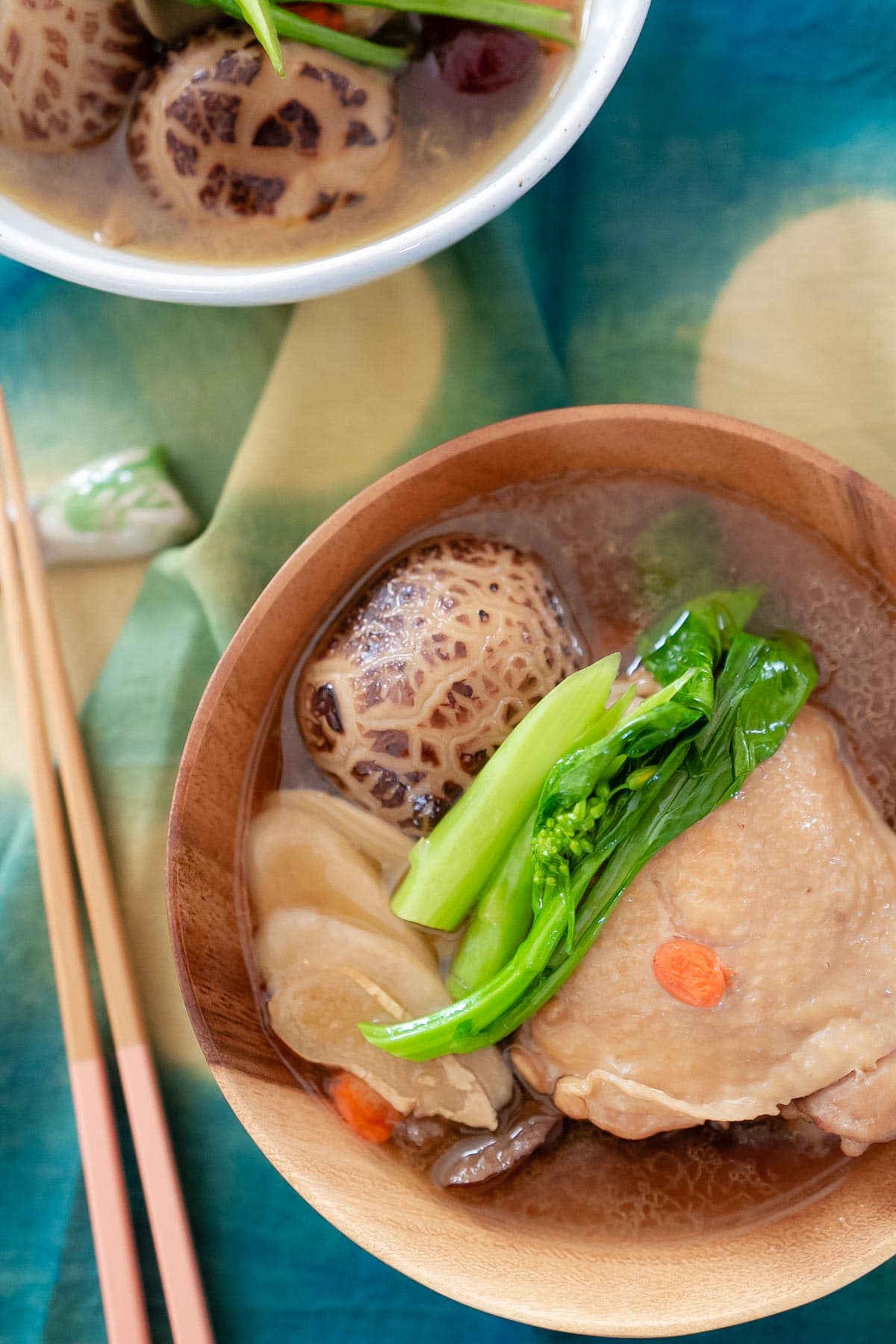
Taiwanese sesame oil chicken soup
Sesame oil chicken soup (麻油雞湯) is one of the most aromatic and flavorful Taiwanese soups out there. It's incredibly simple to prepare, yet packed full of nourishing ingredients like ginger, black sesame oil, mushrooms, chicken, and choy sum. This dish has all the goodness you could ask for!
🛒 where to buy
You can find it at local Chinese and Taiwanese grocery stores (such as 99 Ranch) and at an online Asian market like Weee!.
In California, I'm able to access it pretty much year-round at my local 99 Ranch, Mitsuwa, Marukai, Tokyo Central, H Mart, and more. Keep in mind the stems taste the sweetest during peak season (Spring in parts of the U.S.).
👩🏻🌾 how to pick the best quality
This is similar to selecting most leafy greens... You want them to be fresh, vibrant, and sturdy. Here are my top chef's tips on what to look for.

- fresh and hydrated leaves - look for wide leaves that are smooth, green, and hydrated. The freshest yu choy has green shiny leaves (some may call it "glossy"). Some small insect bites are okay.
- flower buds - it's also okay if there are some closed flower buds attached to the leaves (they're edible). But, if they have bloomed it's a sign that the vegetable is older. That doesn't necessarily mean that it's bad, it just may not taste as sweet and the stems might be more fibrous.
- tender stems - they should be hydrated and firm, but also tender and pliable (AKA you can bend them slightly, like shown in the picture above). If you hold a bundle from the bottom, the stalks should be sturdy enough to stand upright.
- hydrated ends - the stems are freshest when they're white-to-light-green and firm.
You'll want to avoid the following:
- yellowing or discoloration - large yellow spots or uneven coloring may indicate it's not fresh.
- large dark spots on the stems - avoid large dark brown spots on the stems since they'll start to decay faster.
- wilted leaves - this might mean it's been sitting around and is no longer fresh.
- bloomed flowers - a lot of bloomed yellow flowers show that it was more mature when harvested, which means the stems might be fibrous.
- note: you may see tiny holes on the leaves - that's okay as long as it's not excessive! It just means that some insects might have gotten to it so give it an extra wash.
💦 how to wash
Yu choy doesn't tend to have a lot of dirt on it, so washing it is quick and easy.

Thoroughly rinse the wide leaves and stems with cold water until clean.
I like to do this in a large mixing bowl or a clean and sanitized sink for a thorough wash.

Then drain in a colander.
pro tip: If you plan to stir-fry it, make sure to shake off excess water after washing and dry it with a clean kitchen towel. Otherwise, it'll end up steaming in the pan/wok and won't get the pleasantly smoky "breath of the wok" 鑊氣 flavor from a well-seasoned wok carbon steel/cast iron pan.

🔪 how to cut
The leaves and stems are edible, so I only cut them into pieces for the convenience of quickly stir-frying. Otherwise, I like to keep them whole so the delicate leaves stand up to more heavy-duty cooking methods.
to use in stir-fried dishes

Cut into 2-inch sections starting from the bottom (stem) end. Keep the stems separate from the leaves.

If the leaves are large, you can cut them in half.

Cut thicker stems in half lengthwise at an angle. Leave slender stems as-is.
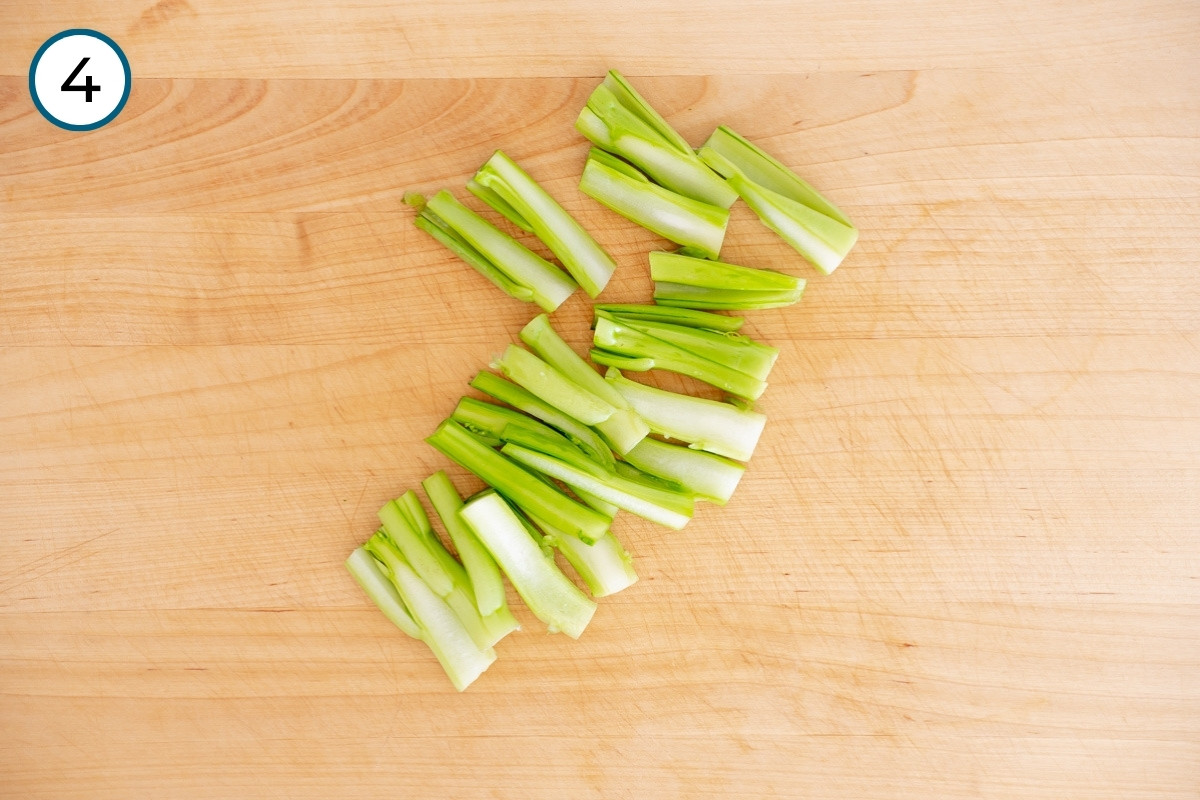
This way, the stems will cook faster.
tip: I recommend adding the sturdier stems first to the hot pan to cook them for an extra minute or two before tossing in the leaves.
to steam, grill, or use in soups

You can leave them whole so they stay hearty and don't cook too quickly.
Alternatively, you can add cut pieces to soups too.
💭 cindy's pro tips
Let's do a quick recap of some of my top tips when working with fresh choy sum.
- pick ones that haven't flowered - when small yellow flowers are present, it means it was more mature before being harvested. Small buds of flowers are okay, but bloomed flowers often mean the stems are more fibrous (not a pleasant mouthfeel when eating!)
- thoroughly dry before stir-frying - take the time to shake off and gently pat the washed leaves with a clean kitchen towel (or paper towel) to avoid it steaming in the hot pan.
- boost in umami flavor - layer in extra umami by adding a splash of gāotāng 高湯 (vegetable stock, chicken stock, etc.) when cooking. You can also sprinkle in a dash of MSG if you'd like.
- prep in advance - wash and dry it before cutting up and storing in an airtight container. You can keep it in the fridge for up to 5 days like this and add to dishes as needed!
❄️ how to store
You'll want to store it in different ways depending on if it's washed, cut, or cooked. Note that fresh raw greens will keep well for at least a week, while cooked veggies are best to enjoy within a day or so.


- fresh, raw, unwashed - keep it in the plastic bag it came in, or a produce bag and store it in the vegetable drawer in your refrigerator for up to 1 to 1½ weeks.
- washed, but uncooked - wrap uncut stalks in a clean kitchen towel or paper towel and store it in the vegetable drawer in your refrigerator. Store cut pieces in a covered container in the refrigerator for up to 3 days. I like to use glass containers with lids (*paid affiliate link) for prepped veggies.
- cooked - store leftover stir-fried yu choy in a covered container in the refrigerator for up to 1 day (note: it may overcook if reheated in the microwave or steamer). For leftovers in soup, it's best to store the cooked greens separately from the liquid.
💭 FAQs
The flat, wide green leaves and mild earthy taste are familiar. However, bok choy stalks are wide, thick, and white, whereas choy sum stalks are thin but sturdier and bright green. Another variety, baby bok choy (sometimes called Shanghai bok choy), has light green stems that are more delicate. Both bok choy and baby bok choy are milder in flavor, while choy sum is slightly sweeter when cooked.
I recommend eating choy sum while the leaves and stems are still fresh and perky. While you can technically still eat them once they've wilted a bit, the taste and texture won't be nearly as pleasant.
One way to help revive slightly wilted greens is to place them in icy cold water for a minute or two. This can sometimes help to rehydrate the greens a bit.
💭 final thoughts
It's safe to say that this is a top favorite vegetable of mine. It's pretty much foolproof to prepare and tastes good even to those who don't love veggies.
There are so many wonderful ways to incorporate these nourishing greens into your daily meals. Now that you know the best ways to buy, clean, and prep yu choy, I hope you'll love trying all kinds of recipes!
Happy cooking! ~ Cindy 周昀
Want to get recipe updates, pro cooking tips, and nutrition info on East Asian ingredients straight to your inbox? Sign up here for a free PDF with cozy soup recipes.
🥢 recipe pairings
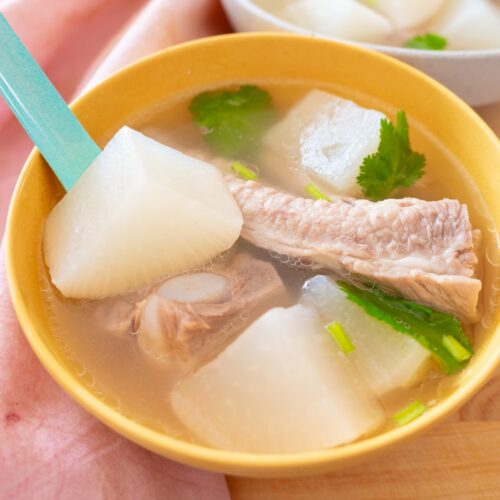
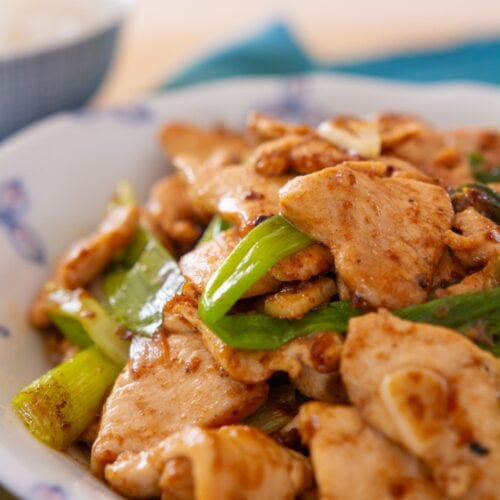
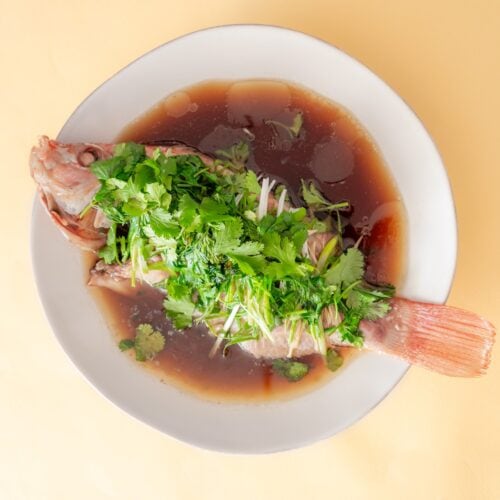
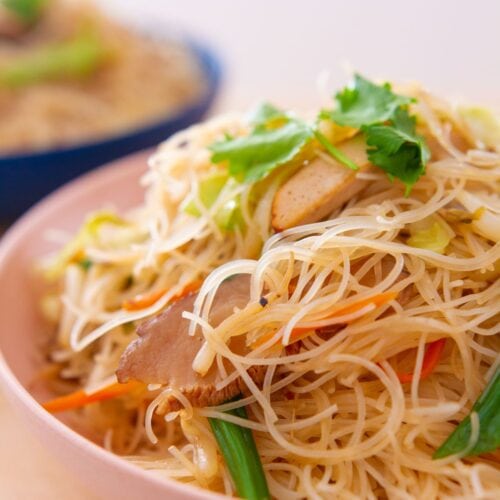
The mild flavor and delightful texture of cooked yu choy make it a great vegetable to serve with your favorite savory Asian dishes! Here are some that I love pairing it with.


Comments
No Comments